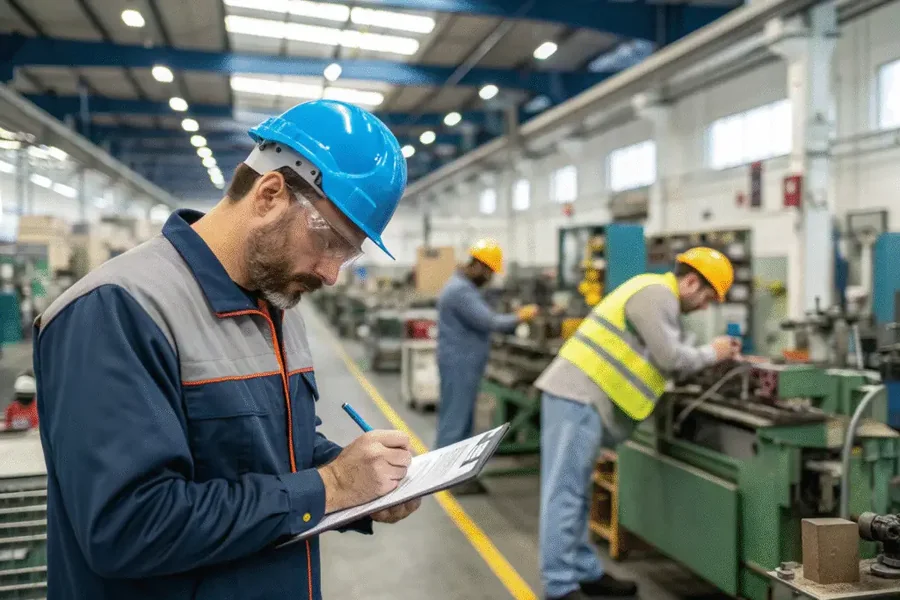
As consumers become more conscious of the environmental and social impacts of their purchasing decisions, the demand for ethical garment manufacturing continues to rise. The fashion industry, known for its vast global reach and rapid production cycles, has often been associated with exploitative labor practices, pollution, and waste. However, a growing number of fashion brands are embracing ethical manufacturing practices, ensuring their products are produced responsibly, sustainably, and with respect for both the planet and the people involved in production.
In this article, we will explore the process of ethical garment manufacturing, examining each stage of the supply chain, from sourcing materials to the final product, and the practices that make it ethical.
What is Ethical Garment Manufacturing?
Ethical garment manufacturing refers to the production of clothing in a way that considers the environmental impact, social responsibility, and economic fairness. It goes beyond simply making sustainable fabrics or using eco-friendly dyes. Ethical garment manufacturing incorporates a holistic approach that ensures the well-being of workers, fair wages, and minimal harm to the planet during each stage of the manufacturing process.
At its core, ethical garment manufacturing is about:
- Ensuring fair wages and safe working conditions for all workers.
- Minimizing the environmental impact of production, including energy use, water consumption, and waste management.
- Using sustainable materials that are sourced responsibly and are biodegradable or recyclable.
- Ensuring that brands are transparent about their manufacturing processes and supply chain.
The Stages of Ethical Garment Manufacturing
Ethical garment manufacturing is a multi-step process that begins with sourcing raw materials and continues through to the final product, with a focus on sustainability, human rights, and fair labor practices. Below, we will break down each stage of the process, highlighting the ethical practices that make it sustainable.
Sourcing Sustainable Raw Materials
The journey of an ethically manufactured garment begins with sourcing sustainable raw materials. Traditional textile production often relies on non-renewable resources and harmful chemicals that negatively impact the environment and the health of workers. Ethical brands focus on sourcing materials that are produced with minimal harm to both the planet and people.
Sustainable Fabrics
- Organic cotton: Unlike conventional cotton, organic cotton is grown without the use of harmful pesticides or synthetic fertilizers. It promotes healthier soil, reduces water consumption, and supports biodiversity.
- Recycled fabrics: Fabrics like recycled polyester and recycled cotton are made from post-consumer waste such as plastic bottles or discarded garments. Recycling reduces the demand for virgin materials and prevents waste from ending up in landfills.
- Hemp: A highly sustainable fiber, hemp requires little water, no pesticides, and grows quickly. It is biodegradable and can be produced with minimal environmental impact.
- Tencel (Lyocell): Made from sustainably sourced wood pulp, Tencel is produced in a closed-loop process, where solvents are recycled, reducing waste and minimizing pollution.
- Bamboo: Bamboo grows rapidly and requires minimal water and chemicals, making it a sustainable choice for fabric production.
Ethical Sourcing of Materials
Ethical garment manufacturers ensure that the materials they use are sourced responsibly. This includes working with suppliers who follow fair trade practices, promoting the use of eco-friendly production methods, and obtaining certifications such as Global Organic Textile Standard (GOTS) and Fair Trade Certification.
Fabric Production
Once sustainable raw materials are sourced, the next step is fabric production. This stage involves transforming raw materials into usable textiles, which can then be dyed, cut, and sewn into garments. In an ethical garment manufacturing process, the emphasis is on using energy-efficient methods, water management, and non-toxic dyes.
Water Management
Water usage is a major concern in the fashion industry, especially in textile production. Ethical manufacturers focus on minimizing water consumption by implementing efficient practices such as closed-loop water systems, which recycle water during the fabric production process.
Eco-Friendly Dyes and Finishes
Traditional textile dyeing processes often use toxic chemicals that are harmful to the environment. Ethical garment manufacturers use natural dyes or non-toxic synthetic dyes that are less harmful to the ecosystem. They also avoid finishes that involve harmful substances, such as formaldehyde and phthalates, which can pollute water and soil.
Ethical Manufacturing and Labor Practices
One of the most important aspects of ethical garment manufacturing is the treatment of workers. The fashion industry has long been criticized for exploiting workers in developing countries, where low wages, unsafe working conditions, and long hours are common. Ethical manufacturers prioritize fair labor practices and worker well-being.
Fair Wages and Safe Working Conditions
Ethical garment manufacturers ensure that workers are paid a fair wage that allows them to meet their basic needs. They also provide safe and healthy working conditions, ensuring that workers are not exposed to harmful chemicals or hazardous working environments. Brands that prioritize ethical manufacturing often adhere to international labor standards, such as those set by the International Labour Organization (ILO).
Worker Empowerment
In addition to fair wages and safety, ethical brands often go a step further by providing education and training for workers. This empowers them to improve their skills, progress in their careers, and ultimately improve their quality of life.
Minimizing Environmental Impact in Manufacturing
Ethical garment manufacturers focus on reducing their carbon footprint and minimizing waste. This is achieved through various practices that prioritize environmental sustainability.
Energy Efficiency
Sustainable garment factories use renewable energy sources, such as solar or wind power, to reduce their reliance on fossil fuels. They also optimize energy consumption by implementing energy-efficient machinery and lighting systems.
Waste Reduction and Recycling
Ethical manufacturers implement zero-waste production processes, which involve cutting garments in a way that minimizes fabric waste. Any leftover fabric scraps can be repurposed into new products or used for recycling. Some brands also recycle old garments, turning them into new fibers, thus reducing the need for virgin materials.
Packaging
Ethical garment manufacturers reduce their environmental impact by using recycled or biodegradable packaging. They avoid excessive packaging and encourage customers to recycle the packaging after use.
The Role of Certifications and Transparency
For consumers to trust that garments are produced ethically, transparency is crucial. Ethical garment manufacturers are typically transparent about their supply chain, sourcing practices, and manufacturing processes. Many brands choose to display certifications that verify their commitment to sustainability and fair labor practices.
Certifications
- Fair Trade Certification: Ensures that workers are paid fair wages, work in safe conditions, and are not exploited.
- Global Organic Textile Standard (GOTS): Guarantees that textiles are made from at least 70% organic fibers and are produced according to stringent environmental and social criteria.
- OEKO-TEX Standard 100: Certifies that textiles are free from harmful chemicals and safe for human health.
- Cradle to Cradle: Ensures that products are designed with sustainability in mind, with a focus on recyclability and the use of safe, non-toxic materials.
Distribution and End-of-Life Considerations
Once garments are manufactured, the final step is distribution. Ethical garment manufacturers focus on reducing the carbon footprint of distribution by working with shipping partners that prioritize carbon-neutral logistics. They also explore local production options to reduce the environmental impact associated with long-distance transportation.
End-of-Life Management
Ethical manufacturers design their garments with the end of life in mind. They ensure that garments are either biodegradable or made from recyclable materials to minimize waste. Many brands also offer take-back programs, allowing customers to return old garments for recycling or upcycling.
Why Ethical Garment Manufacturing Matters
The importance of ethical garment manufacturing cannot be overstated. As the fashion industry continues to contribute to environmental degradation, pollution, and exploitation, ethical garment manufacturing offers a way to counter these negative effects. By choosing ethical brands, consumers can:
- Support fair labor practices and improve the lives of workers.
- Reduce environmental harm by supporting eco-friendly production methods.
- Promote a more sustainable fashion industry by encouraging brands to adopt ethical practices.
Conclusion
The process of ethical garment manufacturing involves much more than just using sustainable materials; it encompasses a holistic approach that focuses on fair wages, safe working conditions, energy-efficient production, waste reduction, and transparent supply chains. As more consumers demand ethical fashion, brands are beginning to prioritize these practices to meet the growing need for responsible and sustainable clothing.
By understanding the ethical garment manufacturing process, consumers can make more informed purchasing decisions and support brands that align with their values. Ethical fashion is not just a trend—it’s a movement toward a more sustainable, equitable, and compassionate future for the fashion industry.