As awareness of environmental and social issues in the fashion industry continues to grow, consumers are becoming more conscious of the materials used in the clothing they buy. One of the most significant distinctions in the textile industry is the difference between organic and conventional fibers. While both types of fibers are used to make fabrics, their environmental impact, production processes, and the social implications are vastly different.
In this article, we will explore the key differences between organic and conventional fibers, how they are produced, their impact on the environment, and the benefits they offer. We will also delve into the growing popularity of organic fibers and why making the switch can contribute to a more sustainable future.
What Are Organic Fibers?
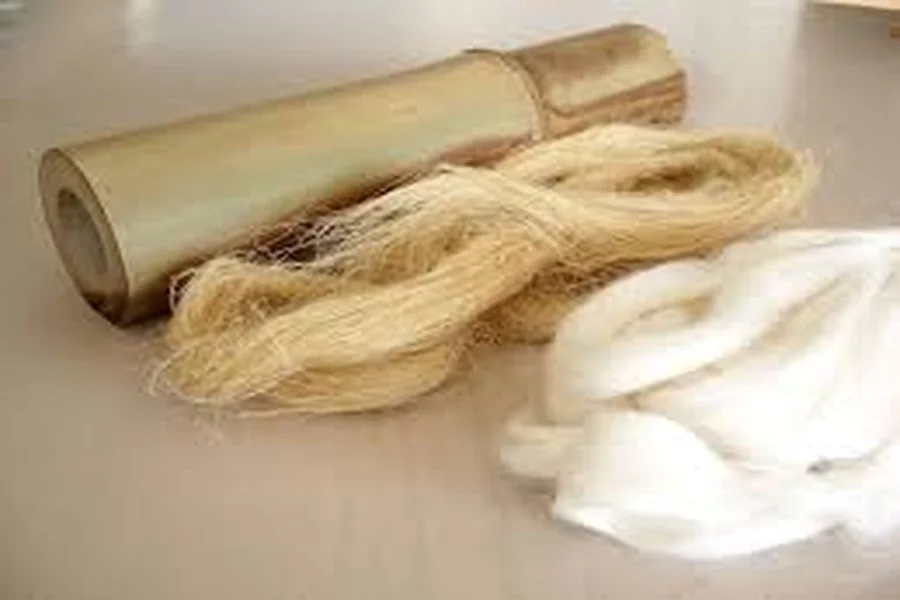
Organic fibers are fibers that are produced using agricultural practices that prioritize environmental sustainability and social responsibility. The most common organic fibers are organic cotton, organic wool, hemp, and bamboo. The defining characteristic of organic fibers is that they are grown without the use of synthetic chemicals, pesticides, or fertilizers. Instead, they rely on natural farming methods, such as crop rotation, composting, and the use of organic fertilizers, to maintain soil fertility and control pests.
Key Features of Organic Fibers:
- No synthetic pesticides or fertilizers: Organic fibers are grown using natural methods that do not rely on harmful chemicals.
- Soil health: Organic farming practices focus on maintaining healthy soil, which helps prevent soil degradation and promotes biodiversity.
- Water management: Organic farming typically uses rainwater or more efficient irrigation methods, which helps conserve water resources.
- Biodiversity: Organic farming encourages the growth of diverse plant species and reduces the impact of monoculture farming practices.
What Are Conventional Fibers?
Conventional fibers are fibers produced through traditional agricultural methods that often rely on the use of synthetic pesticides, herbicides, and chemical fertilizers. These fibers are grown using modern industrial farming techniques that prioritize high yields and fast growth, often at the expense of environmental and social considerations.
The most common conventional fibers include conventional cotton, conventional wool, polyester, and nylon. While these fibers are generally less expensive to produce, they come with significant environmental and social costs.
Key Features of Conventional Fibers:
- Use of synthetic chemicals: Conventional fibers are often grown using harmful pesticides, herbicides, and fertilizers that can contaminate the environment and pose risks to human health.
- Soil degradation: Conventional farming practices can lead to soil depletion and erosion, making it harder to sustain healthy crops in the long term.
- Water consumption: Conventional farming can be water-intensive, especially in regions where irrigation is used to grow crops like cotton.
- Monoculture farming: Many conventional fibers are grown using monoculture farming practices, which can reduce biodiversity and harm ecosystems.
The Production Process: Organic vs. Conventional Fibers
The key difference between organic and conventional fibers lies in the way they are produced. Let’s take a closer look at the production processes of some of the most common fibers in both categories:
Organic Cotton vs. Conventional Cotton
Cotton is one of the most widely used natural fibers in the fashion industry. However, conventional cotton farming is known for its heavy use of pesticides and water-intensive practices, which have led to significant environmental degradation. Organic cotton, on the other hand, is produced without synthetic chemicals and focuses on maintaining healthy soil and ecosystems.
Organic Cotton Production:
- Soil health: Organic cotton is grown in soil that has not been treated with synthetic pesticides or fertilizers for at least three years. Farmers use crop rotation, composting, and natural pest management to maintain soil fertility.
- Water use: Organic cotton farms often use rain-fed irrigation or more efficient irrigation techniques, which reduces water waste compared to conventional cotton farms.
- Pest management: Organic cotton relies on natural pest control methods, such as the introduction of beneficial insects, to reduce the need for chemical pesticides.
Conventional Cotton Production:
- Use of pesticides and fertilizers: Conventional cotton farming relies heavily on synthetic chemicals to control pests and promote rapid growth. These chemicals can contaminate soil, water, and air.
- High water consumption: Cotton is one of the most water-intensive crops, and conventional cotton farming often uses large amounts of water, particularly in regions where irrigation is necessary.
- Soil degradation: The heavy use of synthetic fertilizers and pesticides in conventional cotton farming can lead to soil degradation and reduced biodiversity.
Organic Wool vs. Conventional Wool
Wool is a natural fiber harvested from sheep, and both organic and conventional wool are used in the production of clothing. The primary difference between organic and conventional wool lies in the farming practices used to raise the sheep.
Organic Wool Production:
- Animal welfare: Organic wool farms prioritize the health and well-being of the sheep, ensuring that they are treated humanely and are not subjected to harmful practices like mulesing (a controversial method used to prevent flystrike in sheep).
- Sustainable grazing: Organic wool farms use rotational grazing to prevent overgrazing and ensure that the land remains fertile and healthy.
- No chemicals: Organic wool is produced without the use of chemical treatments, such as synthetic pesticides or insecticides, on the sheep or their wool.
Conventional Wool Production:
- Chemical treatments: Conventional wool farms often use chemicals to treat the sheep and their wool to prevent parasites and diseases. These chemicals can end up in the wool and impact the environment.
- Mulesing: In some conventional wool production systems, sheep may be subjected to mulesing, a practice that involves removing strips of skin from the sheep’s backside to prevent flystrike.
- Overgrazing: Conventional wool farms may not follow sustainable grazing practices, which can lead to land degradation and reduced soil health.
Hemp and Bamboo vs. Conventional Synthetics (Polyester, Nylon)
Hemp and bamboo are two examples of sustainable fibers that are gaining popularity in the fashion industry. Both are fast-growing, require minimal pesticides, and have lower environmental impacts compared to conventional synthetic fibers like polyester and nylon.
Hemp and Bamboo Production:
- Fast-growing: Hemp and bamboo grow quickly and require little water or pesticides. Bamboo, in particular, is a highly renewable resource.
- Minimal chemical use: Hemp and bamboo are often processed using eco-friendly methods, and the fabrics made from these fibers are biodegradable, meaning they will break down naturally at the end of their life cycle.
- Low environmental impact: Hemp and bamboo are produced with minimal use of chemicals and require less water compared to conventional fibers.
Conventional Synthetics (Polyester, Nylon):
- Petroleum-based: Polyester and nylon are derived from petroleum, a non-renewable resource. Their production involves the extraction of oil and the use of toxic chemicals, which can harm both the environment and human health.
- Energy-intensive: The production of synthetic fibers requires significant amounts of energy, contributing to greenhouse gas emissions.
- Non-biodegradable: Synthetic fibers do not biodegrade and can contribute to the growing problem of microplastic pollution in oceans and landfills.
Environmental Impact: Organic vs. Conventional Fibers
The environmental impact of fibers extends far beyond their production. The way fibers are processed, dyed, and disposed of at the end of their life cycle also plays a role in their sustainability. Let’s explore the broader environmental implications of organic versus conventional fibers.
Organic Fibers:
- Lower carbon footprint: Organic farming methods use fewer chemicals, consume less water, and promote soil health, which collectively contribute to a lower carbon footprint compared to conventional farming methods.
- Reduced pollution: By avoiding synthetic pesticides and fertilizers, organic fibers help reduce pollution of water sources and soil.
- Biodiversity: Organic farming practices promote biodiversity by supporting diverse ecosystems and reducing the reliance on monoculture farming.
Conventional Fibers:
- Higher carbon emissions: The use of synthetic fertilizers and pesticides in conventional farming, as well as energy-intensive processing methods, contribute to higher carbon emissions.
- Water pollution: The chemicals used in conventional farming can contaminate local water sources, harming aquatic life and ecosystems.
- Loss of biodiversity: Monoculture farming, a common practice in conventional fiber production, reduces biodiversity and harms ecosystems.
Social Impact: Organic vs. Conventional Fibers
The social impact of fiber production is another key consideration. Organic fibers often prioritize fair labor practices, while conventional farming practices can lead to exploitative working conditions.
Organic Fibers:
- Fair labor practices: Organic farming often supports small-scale farmers and promotes fair wages and safe working conditions.
- Support for local communities: Organic farming can support local economies and promote community development, as it typically relies on more decentralized, small-scale farming.
Conventional Fibers:
- Exploitation of workers: Conventional farming can exploit workers, particularly in regions where labor laws are weak. Low wages, poor working conditions, and lack of worker protections are common issues in conventional farming systems.
- Global supply chains: Conventional fiber production often relies on global supply chains, where workers in developing countries are paid very little and work in unsafe conditions.
Conclusion
The differences between organic and conventional fibers are vast, affecting everything from environmental sustainability to social equity. Organic fibers, produced using eco-friendly farming practices and minimal chemicals, offer significant environmental benefits, including lower carbon footprints, reduced water pollution, and greater biodiversity. On the other hand, conventional fibers, which rely on synthetic chemicals, monoculture farming, and intensive water usage, contribute to environmental degradation and social inequality.
As consumers, making the switch to organic fibers not only helps reduce our environmental footprint but also supports fair labor practices and promotes a more sustainable fashion industry. While organic fibers may come at a higher price point, the long-term benefits—both for the planet and the people who produce these fibers—are well worth the investment.